Home › Study in UK › Refused — what next
Path Plaza · UK programme · Pillar guide
Your UK student visa was refused. Should you seek a review or apply again?
Checked on 26 September 2026 · Path Plaza desk · re-checked every 30 days
If the caseworker got it wrong, ask for administrative review — £80, requested within 28 days, no new documents accepted. If you got it wrong — the miscounted window, the missing statement — fix it and reapply with a fresh CAS. Ordinary student refusals carry no tribunal appeal right, and a review cannot accept the document you forgot.
01 · The decision that decides everything after
My visa was refused. Should I appeal or apply again?
If they got it wrong, ask for a review. If you got it wrong, fix it and reapply. A review cannot accept the document you forgot, so using it for your own error simply loses 28 days.
The first thing a refused family needs to know is that there is no general appeal — ordinary student refusals carry no tribunal appeal right. What exists instead is a narrower, faster instrument: administrative review, a re-examination of the decision by a different caseworker. It costs £80, must be requested within 28 days of the refusal, and is not refunded if unsuccessful. And it carries the one condition that decides whether it is the right tool at all: no new documents may be submitted. The review looks at what was already in the file and asks whether the decision on that file was correct.
That condition is the whole decision, and the guidance draws the distinction clearly. Administrative review is for a caseworker error — evidence in the file that was overlooked, a requirement misapplied, a document misread. Where the applicant made the mistake — wrong financial documents, a miscounted 28-day window — the advice is to submit a fresh application with a new CAS instead, because a fresh application can carry the corrected evidence and a review cannot.
| Ground | Administrative review | Fresh application |
|---|---|---|
| The caseworker misread or overlooked evidence that was in the file | Yes — this is exactly what review exists for | Not needed |
| The 28-day window was miscounted or broke | No — no new documents, and the old file is the problem | Yes — rebuild the window, apply again |
| A required document was missing or unverifiable | No — the review cannot accept it now | Yes — complete file, fresh CAS |
| The interview answer contradicted the documents | No — the record is the record | Yes — but only after the inconsistency is genuinely fixed |
The arithmetic of choosing wrong is unforgiving: a review cannot accept the document you forgot, so using it for your own error simply loses 28 days and £80 — and often the intake with them, because the review window and the enrolment calendar run in opposite directions. The desk's refused-UK files therefore open with one hour of honest diagnosis: whose error was this? Not who is to blame — whose error, on the paper, did the letter actually name. The answer routes the family, and the wrong answer routes them into a remedy that cannot work — which is also why the desk will say so plainly when the honest diagnosis is that the original case was weak: a review of a weak file is a slower refusal, and telling a family that early is cheaper than letting the calendar tell them.
02 · The letter as a map, not a wound
How do I read my refusal letter properly?
The letter tells you exactly which requirement failed and under which paragraph. Answer that sentence, not the whole application.
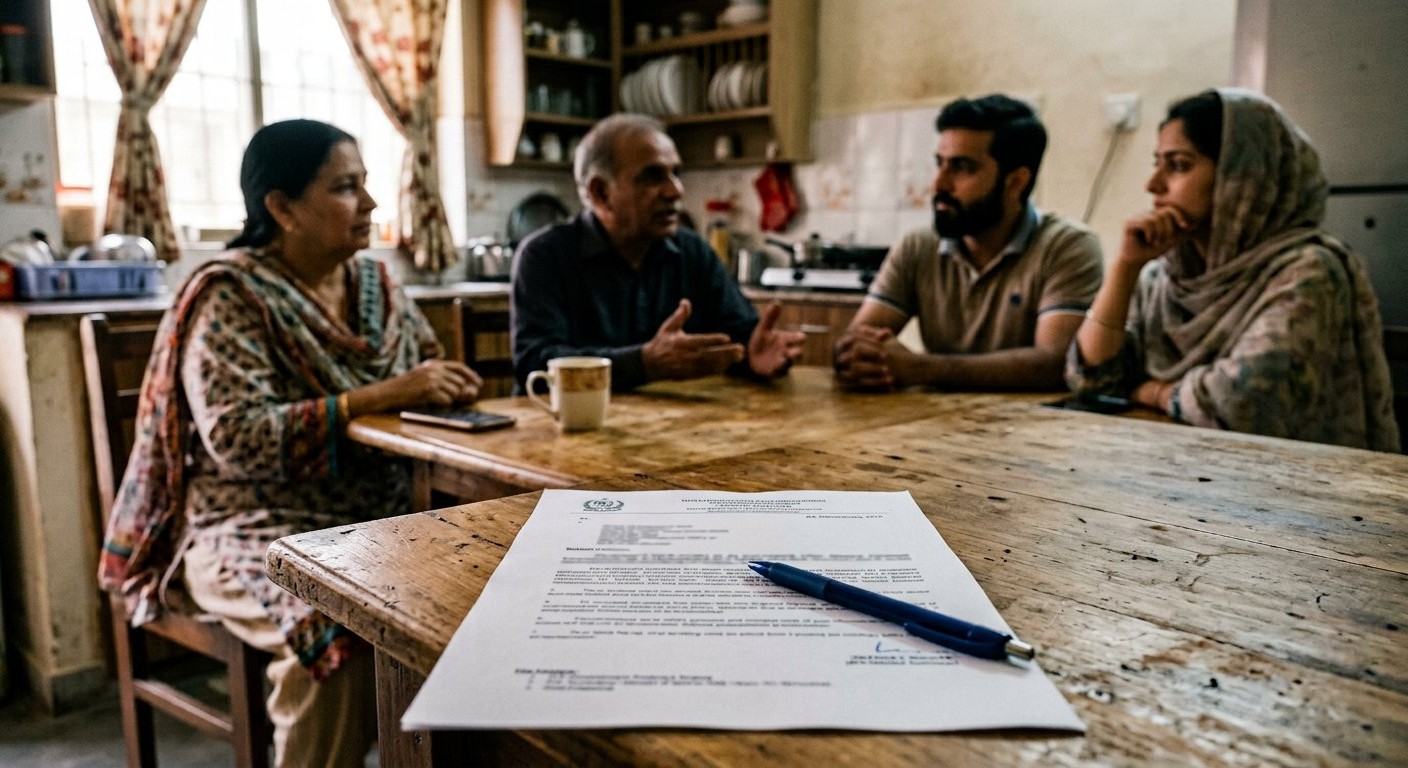
A UK refusal letter is a precise document, and families read it the way they read a medical report — fast, once, looking for the worst word. The guidance advises the opposite discipline: read the decision against the specific requirement cited. The letter names a particular doubt, not a general one, and refusal notices quote the exact paragraph of the rules relied on, which identifies precisely what failed. One sentence of that letter is the refusal; the rest is furniture. The family's next file is built against that sentence, and against nothing else.
The distinction matters because the instinct after a refusal is to re-litigate everything — to make the next application twice as thick, with every document stronger and every explanation longer. The guidance is explicit that the answer must be new evidence rather than a longer explanation of the same facts. A doubt named under the maintenance rules is answered by a properly counted window and a verifiable statement, not by a heartfelt letter about the family's intentions. A doubt about genuineness of study is answered by a course choice that makes sense, not by a longer personal statement asserting that it does.
So the reading protocol the desk teaches: photocopy the letter, highlight every paragraph reference, and under each one write the document or fact that answers it. If a highlighted sentence cannot be matched to a document that fixes it, that sentence is the real problem — and it is a problem of substance, not paperwork, and no remedy will fix it until the substance changes. The letter tells you exactly which requirement failed and under which paragraph; answer that sentence, not the whole application. The free refusal decoder at the bottom of this page is that protocol on one printable sheet.
03 · The line with no way back
What happens if a document turns out to be false?
This is the one consequence with no remedy and no negotiation. If a consultant offers to improve a document, walk out of the office.
Everything else on this page is recoverable. A miscounted window costs a year; a weak interview costs a fresh application; a missing document costs a refile. This section is the exception, and it is stated plainly because it sits at the centre of the UK's refusal regime: submitting false or altered documents results in a mandatory ten-year ban from entering the UK, and immediate withdrawal of the CAS. Mandatory — not discretionary, not appealable, not negotiable at the desk. The ban is automatic on the finding, and the finding follows the document.
The reason this section exists on a Pakistani-facing page is the market reality on the other side of it. The pressure to "improve" a bank statement, to let an agent tidy a qualification certificate, to present a document that is stronger than the truth — that pressure is sold as help, and it is the single most expensive thing a family can buy. A refused application is a setback with a route back; a false document is the route removed. Ten years closes the door on the student visa, the graduate years, the visits, the sibling's file that shared the sponsor.
Hence the instruction that closes the theme, and which this desk states at every first meeting: if a consultant offers to improve a document, walk out of the office. Not negotiate, not ask for a second opinion — walk out. The honest file is the only file with a future, and the corridor between a refusal and a fresh start stays open only for applicants who never let anyone close it for them. This page's review-or-reapply table assumes an honest file; the false document removes even the table.
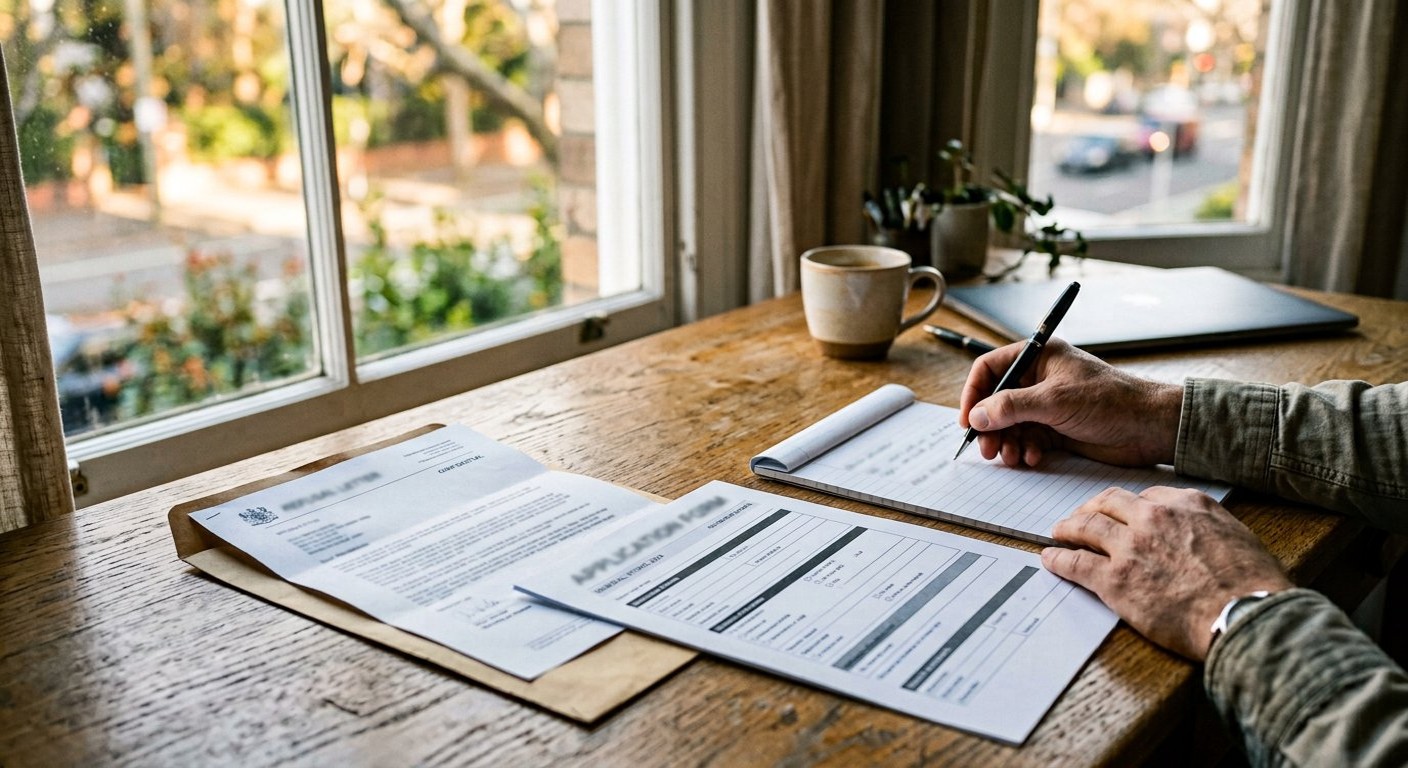
The sentence, not the letter
One paragraph of the refusal is the refusal — the next file is built against that sentence, with new evidence rather than longer explanations.
The refusal letter decoder is free on WhatsApp — below.
04 · The history the file already knows
Do I have to declare a previous refusal, including from another country?
Declare everything, including refusals from other countries. A disclosed refusal is a fact to explain; an undisclosed one becomes a question about your honesty.
The question usually arrives in a lowered voice: a Schengen refusal years ago, a US refusal a cousin caused, an Australian refusal the family has quietly buried — does the UK application have to mention it? The answer is yes, and the reason is mechanical rather than moral: undisclosed travel and immigration history is listed among the top refusal causes for UK applications, because the records the caseworker can see are broader than the records families assume. A caseworker weighs immigration history and past visa compliance, and consistency between what is declared and what records show is central to credibility.
Notice what that means in practice. The refusal itself is not the problem — refusals are common, they are explainable, and a previous refusal for, say, weak ties is a fact with a context. The problem is the gap between the declaration and the record. The applicant who declares a refusal and explains it gives the caseworker a complete story; the applicant who omits it gives the caseworker a discovery, and a discovery turns a visa question into an honesty question. Immigration systems forgive bad luck far more readily than they forgive concealment.
The practical instruction is therefore absolute and simple: declare everything, including refusals from other countries, in the application's own words, with a short written explanation attached where the form allows it. A disclosed refusal is a fact to explain; an undisclosed one becomes a question about your honesty — and honesty questions follow the file forever, in a way a Schengen refusal from years ago never will. The declaration is also where an honest consultant earns their fee: the explanation letter around an old refusal is a craft document is a craft document, and it is written once, properly, with the refusal decision in front of the writer. One last note on timing, because it decides intakes: a fresh application is not an event but a rebuild — the corrected window, the fresh CAS, the TB certificate, the interview that must now be prepared rather than merely survived — and the family that starts the rebuild the week the letter arrives keeps the next intake in reach. The family that spends a month on anger does not.
Coming with the UK video series
The refusal letter — on video, in Urdu
Review or reapply, the paragraph that matters, and the declaration question — read on a real letter shape, in Urdu. In production; this page is the written reference until it ships.
Free one-pager · WhatsApp · no forms
Get the refusal letter decoder on WhatsApp
One page: the objection, the cause, the fix — turning a frightening letter into a checklist, with the review-or-reapply decision at the top.
Get the refusal letter decoder → +92 315 5009620 · Mon–Fri 11AM–7PM · Path Plaza (SMC) Pvt Ltd, 304 Upper Mall, LahoreWhere this sits in your journey
Refused applicants search hardest and decide fastest — this page is where the next file begins, not where the last one ends.
Universities decide admissions. The UK authorities decide visas. We prepare honest, complete files — that is the entire promise, and it's in writing.