Home › Study in UK › The real costs
Path Plaza · UK programme · Pillar guide
What does studying in the UK actually cost, including the fees nobody lists?
Checked on 26 September 2026 · Path Plaza desk · re-checked every 30 days
Masters tuition runs £13,000–£30,000 a year and bachelors £11,000–£26,000, plus the fees nobody lists: visa £558, health surcharge £776 a year across the full granted period — usually about sixteen months for a one-year masters — TB test, English test, biometrics and flights. Maintenance is £13,761 in London or £10,539 outside. Budget the Graduate Route fee too if you intend to use it.
01 · The permission, counted correctly
How many hours can I work while studying?
Twenty hours is a weekly ceiling across all jobs, not an average across the month. Employers' payroll records are what would evidence a breach.
Degree-level students are generally permitted 20 hours a week during term time, and full time outside term. The number is widely known; the way it is counted is widely misunderstood, and the misunderstanding is what costs visas. The limit is a maximum in any single week, not an average — a student cannot work 30 hours one week and 10 the next and call it 20; the 30-hour week was a breach the moment it happened. And the ceiling applies across all jobs combined: two part-time roles of 12 hours each are 24 hours, not two innocent 12s.
How would a breach even be discovered? Through the paper a breach leaves behind: employers' payroll records are what would evidence it. Every lawful job runs through payroll, every payroll hour is recorded, and the records exist precisely so conditions can be checked — at renewal, at a later application, at the Graduate Route stage. The student who thinks the ceiling is unenforceable because nobody watches them work is misreading where the watching happens: it happens to the records, later, when the stakes are higher.
One reassurance belongs beside the warning, because families overshoot in both directions: if you plan to work part time, you may say so in the application without harming it. The guidance says this directly, and the interview pillar repeats it — intending to work within the permission is lawful, expected, and better said than concealed. The ceiling is real; so is the permission. The student who works 18 hours a week, on payroll, inside term time, is not gaming the visa — they are using it, and doing so in the way the permission was designed for: earnings that steady the weekly budget without ever deciding it.
A note on what the ceiling is for, because families sometimes read it as a suggestion that work will fund the degree. It will not, and the budget on the rest of this page is built without it. Part-time earnings at student rates soften living costs — the weekly shop, the bus pass, the occasional night out — and nothing more; a family that needs the 20 hours to close the budget has a budget the 20 hours cannot close, and is better served by a different city, a different course fee, or a different destination than by a plan that leans on shifts that the calendar can cancel. The ceiling exists to permit work; it was never a promise that work pays.
02 · The bill with everything on it
What does the UK actually cost in total?
Add the fees people forget: visa, health surcharge across the full granted period, tuberculosis test, English test, biometrics and flights. Then add the Graduate Route fee if you intend to use it.
Tuition is where every family starts, and the bands are honest: masters tuition is quoted at £13,000 to £30,000 a year, bachelors at £11,000 to £26,000. Where the budget goes wrong is everything after tuition — the component fees that arrive one at a time, each small enough to absorb, together large enough to break a plan that treated them as surprises rather than line items:
| Item | Figure | The catch |
|---|---|---|
| Masters tuition | £13,000–£30,000 a year | The band is wide — course and city move it more than ranking suggests |
| Bachelors tuition | £11,000–£26,000 a year | Multiplied by three or four years |
| Visa fee | £558 | Following the April 2026 increase — re-verify at filing |
| Health surcharge | £776 a year of visa | Charged across the full granted period — a one-year masters is usually granted around sixteen months |
| Maintenance | £13,761 London / £10,539 outside | The money-file figure, held 28 days |
| Always forgotten | Varies | TB test, English test, biometrics, flights — then the Graduate Route fee if used |
Three lines on that table deserve their own sentences. The health surcharge is charged across the full granted period, and a one-year masters is usually granted around sixteen months of visa — so the surcharge line is bigger than "a year of £776", and families who budget it as one year are short before they start. And the maintenance figure is not a forecast of spending; it is the amount the 28-day rule requires to be provable, which makes it a liquidity requirement before it is a living cost. And the bachelors row multiplies across three or four years — the year-one bill above, repeated, with three or four years of rent movement between them, which is why a bachelors budget is a commitment of roughly double the masters figure families first ask about.
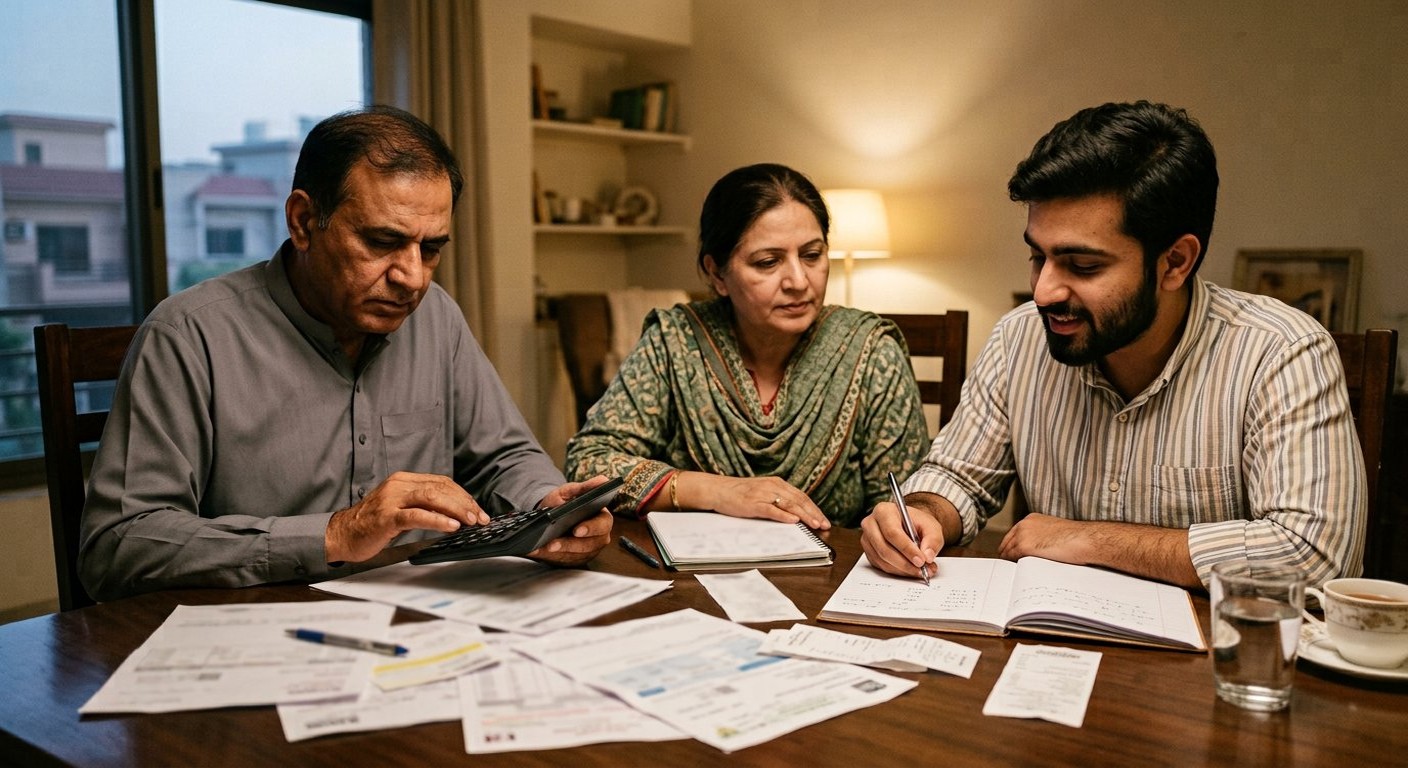
Add the whole column for a one-year masters outside London with mid-band tuition and the honest total lands well above the tuition line families first ask about — one graduate refers to roughly £30,000 spent in a single year, and that account is not an outlier; it is the table above, lived. The free cost worksheet at the bottom of this page is this table as a fill-in sheet: the family's own course, own city, own granted period and own flights — because the number that matters is not the band but the family's own sum, and it belongs on paper before the deposit, not after the first term.
One habit closes the gap between the band and the sum: budget at the top of every range, not the middle. The tuition quoted in the brochure is the brochure's number; the city's real rent, the real flight price in the season the family actually flies, the real exchange rate on the day the fees convert — each of these moves against the budget, and the plan that survives is the one that assumed they would. Families who budget the middle of the ranges and hope for the edges are not budgeting; they are hoping with a spreadsheet attached, and the UK is expensive enough to defeat hope.
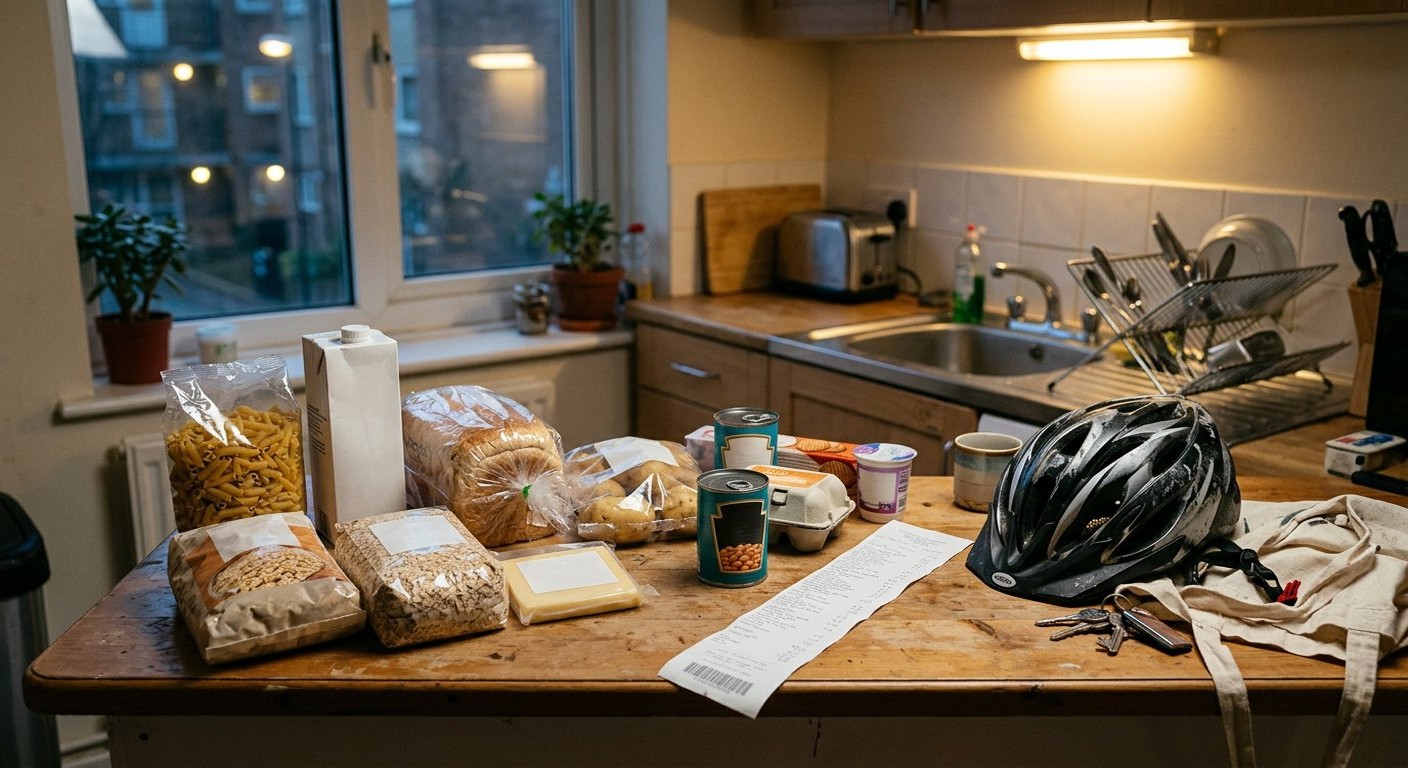
The number that keeps growing
The bill is honest once everything is on it — tuition, the surcharge across the full grant, the tests, the flights, and the fee for the route after.
The full cost worksheet is free on WhatsApp — below.
03 · The question this page will not guess at
Can I bring my wife and children?
Do not assume. Dependant eligibility on the student route depends on the course type and level and has changed. Check the current rule for your specific course before making any family commitment.
This section could have been the easiest on the page — a yes or a no — and it is deliberately the most careful, because the honest answer is that the rule has been narrowing and this page will not state it as a fixed fact. What can be said with confidence: eligibility to bring dependants on the student route has been restricted in recent years, and it varies by course type and level — postgraduate research courses and a narrow band of other programmes are treated differently from taught masters, and the boundaries sit in the current guidance, not in this paragraph. Where dependants are permitted, the money follows them: dependant maintenance figures are quoted at £845 a month in London and £680 outside, for the same period as the student's — the table on the money pillar carries the arithmetic.
The instruction that follows is the whole point of the section, and the desk applies it without exception: do not assume. Dependant eligibility depends on the course type and level, it has changed, and the current rule for the specific course must be checked against official guidance before any family commitment is made — before the marriage date is planned around an intake, before a spouse resigns a job, before a child's school place is surrendered. This is the single most likely page in the whole UK programme to go quietly out of date, and the desk re-verifies it for every family individually, against the guidance current on the day.
Families sometimes hear that caution as evasion, and it is the opposite: it is the difference between a consultancy that quotes a comfortable rule and one that checks a moving one. The comfortable answer has cost Pakistani families more than any refusal — flights booked, jobs resigned, a marriage separated across two countries by a rule that had narrowed the year before. The careful answer costs a week of checking. Take the week, before the deposit rather than after it.
And when the week is taken, take it in writing: the answer that matters is not a phone call from an agent but the current guidance entry for the specific course, saved, dated, and kept with the file. The dependant rule has moved more than once in recent years, and the family that holds a dated copy of the rule it planned around can at least show what it relied on — while the family that relied on a conversation has nothing to show at all. Every serious question in this programme gets the same treatment: the rule, the date, the source. The family question deserves it most of all, because it is the one with lives attached, not just fees.
Coming with the UK video series
The whole bill — on video, in Urdu
Tuition, the surcharge across the full grant, the forgotten fees — added up on paper the way families add them, in Urdu. In production; this page is the written reference until it ships.
Free one-pager · WhatsApp · no forms
Get the full cost worksheet on WhatsApp
Every fee listed, with the health surcharge calculated on visa length and the arrival fund as a separate line — the family fills in their own course and city.
Get the full cost worksheet → +92 315 5009620 · Mon–Fri 11AM–7PM · Path Plaza (SMC) Pvt Ltd, 304 Upper Mall, LahoreWhere this sits in your journey
The cost page is read at the first meeting and re-read at every fee — it is the arithmetic under everything else.
Universities decide admissions. The UK authorities decide visas. We prepare honest, complete files — that is the entire promise, and it's in writing.