Home › Study in Malaysia › Medical screening
Path Plaza · Malaysia programme · Pillar guide
What is the Malaysian student medical screening, and what happens if you fail it?
Checked on 25 September 2026 · Path Plaza desk · re-checked every 30 days
There are two medical screenings in the Malaysian route: a check you arrange yourself in Pakistan before you pay, and the official one at a panel clinic within seven working days of arrival, which is a real gate — university pages list the conditions that stop registration. Get checked at home first, so nothing is a surprise after fees are paid and flights are booked.
01 · The gate nobody mentions
There is a medical test? What do they actually check?
There is a medical screening and it is a real gate. Get checked in Pakistan first so nothing is a surprise after fees are paid and flights are booked.
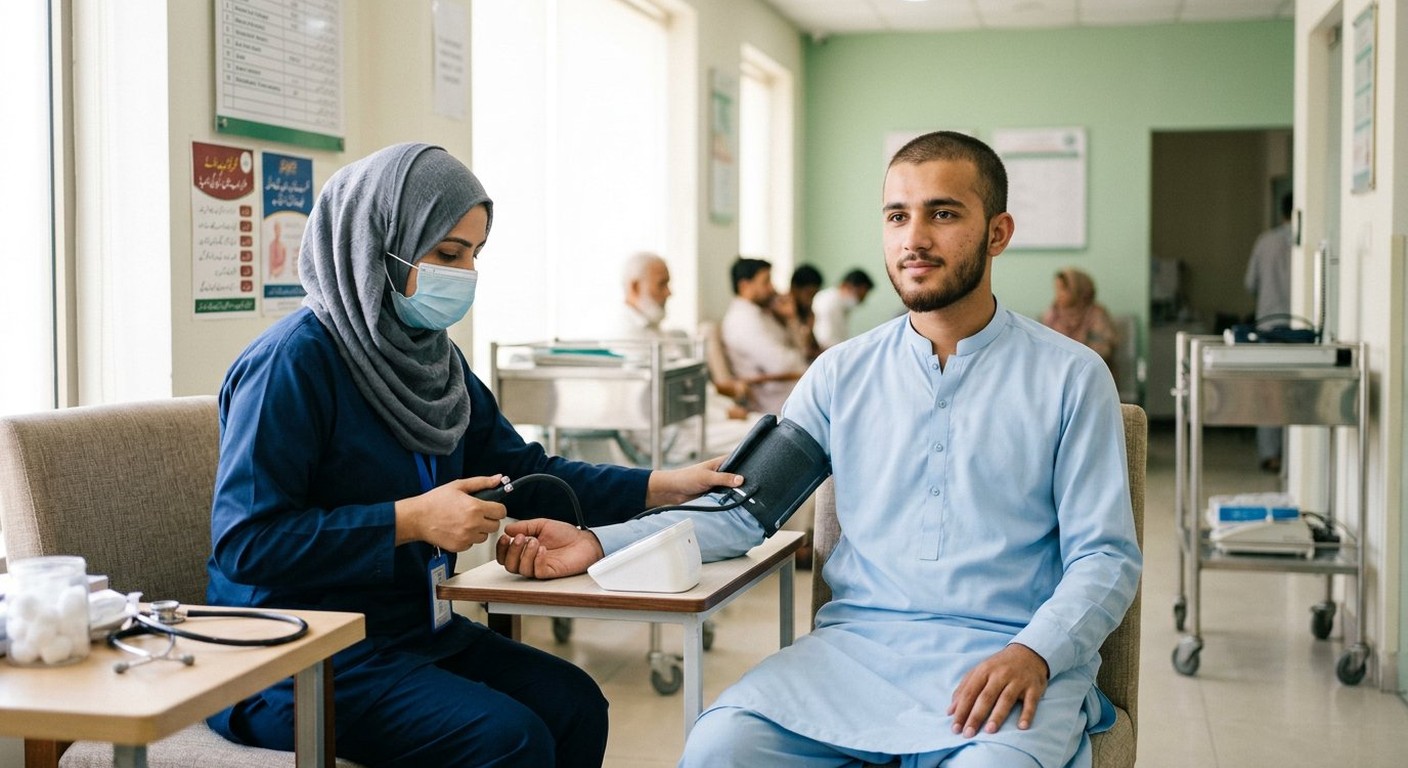
The Malaysian student route contains two medical screenings, and families are usually told about neither. The first is the one you arrange yourself in Pakistan — not the official test, just a full check-up against the published list of screening conditions, done before any money leaves the country. The second is the official one: after arrival, at a panel clinic, within seven working days of landing, per the official guidance. That second screening is a registration gate, and university pages list the conditions that prevent registration if the clinic finds them.
What makes this gate cruel when it surprises people is the sequencing. By the time the official screening happens, the fees are paid, the flight is flown, the accommodation deposit is spent, and the family is emotionally committed. A condition that would have cost a few thousand rupees to identify in Lahore now costs a semester, a flight, and a family conversation nobody prepared for — and refunds are not what this system is known for. The two screenings exist precisely so the second one holds no surprises — the system's design assumes a student who checks first, and it has no mercy at all for one who does not.
Two details about the official screening are worth knowing in advance. It happens at a panel clinic — a clinic approved for this purpose, not any clinic you prefer — and the list of what it screens for is published and obtainable from your university's pages. That list is the same list your home physician should be reading from. When families ask us what exactly is checked, the honest answer is: the published list, all of it, at an approved clinic — and your job is to have seen the list before the clinic sees you.
So run the first one properly: get the list of screened conditions from your university's international office, take it to a good physician in Pakistan, and be honest with the doctor about anything in your history. A clean home check is not a guarantee of the official result — different clinic, different country — but a flagged home check is a plan, and a surprise at the panel clinic is not.
02 · The appeal clock
I failed the medical screening. Is that the end?
There is an appeal, but the clock runs in days, not weeks, and it is made at the same clinic. Know the deadline before you travel so you are not learning it while panicking.
An appeal exists, and the detail that decides everything about it is the clock. The official health examination document states an appeal must be submitted within three working days of receiving the result; other guidance refers to seven days from notification. Know both numbers before you travel, because the version that applies to you is the one you will be holding at the worst possible moment.
The mechanics are narrower than most students expect, and knowing them in advance is half the appeal: it is made at the same clinic that produced the failed result, not at the university and not at a different laboratory, and it runs on documents — your evidence, your explanation, and where relevant a treating physician's records — not on persuasion. A student who spends the appeal window arguing on the phone has spent the appeal window.
Before travelling, there is also a money question to ask the institution in writing: what is the refund position if the medical gate stops registration? The answer is sometimes a partial refund, sometimes nothing, and always slower than the family hoped — but the answer in writing, asked in advance, is the difference between an informed decision and an ambush. The threads on this are bleak and consistent; the families who asked first fared better even when the answer was bad.
What follows a failed appeal is the part no brochure covers: the registration that depended on the medical is refused, and the money question begins. Which is why this page's honest order of operations is unforgiving: the home check in Pakistan, the conditions list in writing from the international office, and the appeal deadline known before the flight is booked — not discovered after it has landed.
03 · The missing test
Some of the required tests are hard to arrange here. What then?
If a test genuinely cannot be done here, there is a documented route. Ask the international office for the form rather than skipping the test and hoping nobody notices.
Some of the tests on the Malaysian screening list are restricted or simply not routinely available in Pakistan, and this is a known, documented situation — not a dodge you have to invent. University guidance provides for it: a doctor's letter confirming the test's unavailability, together with a declaration of health status form that the international office issues.
The route has a shape, and the shape is the point: it is institutional. The form comes from the international office, the letter comes from a physician, and together they put the missing test on the record before anyone is surprised by it. What the route does not survive is improvisation — skipping the test, telling nobody, and hoping the panel clinic's silence means acceptance. It does not; it means the file stalls later, at higher cost, in a country where you have already paid.
The doctor's letter itself has a job: it confirms that the test genuinely cannot be arranged here — not that you chose not to take it. A physician who writes the first will not write the second, which is exactly why the letter carries weight with the panel clinic. Keep the declaration form and the letter together, and carry both in hand luggage with the rest of the medical file.
So if your physician says a listed test cannot be done here, the same-day action is an email to the international office asking for the declaration form and the exact documentation they want with it. Keep the reply, and keep it with the medical file this page keeps insisting on. A missing test handled on paper is a footnote in your file; a missing test discovered at the panel clinic, three weeks into a semester you have paid for, is a hold on your registration and a call home that could have been an email.
04 · The ninety-day rule
I am changing course or university. Do I need the medical again?
Renewal, no. Changing course or institution, yes, if more than 90 days have passed. Check the date of your last screening before you plan a transfer.
The official guidance draws the line clearly. Renewal students do not need the in-country screening again. Students changing course or institution — and those progressing to a higher level of study — must attend again if their last screening was more than 90 days before. The date of your last screening, on the certificate you were given, is the number that decides.
This matters most for students planning a transfer, because transfers in Malaysia are immigration events, not just academic ones — the pass and transfer pillar covers the full mechanics. A transfer plan built without checking the screening date can stall on a medical technicality, months after the academic side was agreed.
One habit ties this whole pillar together: a medical file, kept from the first check in Pakistan onward — every result, every letter, every certificate, scanned and backed up. Students who have one answer the ninety-day question in seconds and the appeal question in minutes. Students who do not, answer both with phone calls to clinics in two countries.
Put the ninety-day rule in the calendar the way the appeal clock belongs in your notes: as a fact with a date on it, checked against your own paperwork before the plan depends on it. And when you do attend a screening, keep the certificate — physical and scanned — because it answers questions you will not know you had until a transfer officer asks them — and because the same date on the same certificate is what the appeal, the re-screening and the transfer all read from.
| When | What | The rule, with its source |
|---|---|---|
| Before you pay, in Pakistan | A self-arranged check against the published conditions list | Not the official test — a planning check, so surprises cost rupees, not semesters |
| Within seven working days of arrival | The official screening, at a panel clinic | Official guidance; a registration gate — university pages list the disqualifying conditions |
| Within three working days of a failed result | The appeal, at the same clinic | The official health examination document; other guidance says seven days from notification — know both |
| Before a change of course, institution or level | Re-screening, if the last one was more than 90 days before | Official guidance — renewal students are exempt |
Rules and windows change; the clinic's own paperwork and your international office's current guidance are the record that governs. Verify both in writing before you act on anything in that table.
What to know before the flight
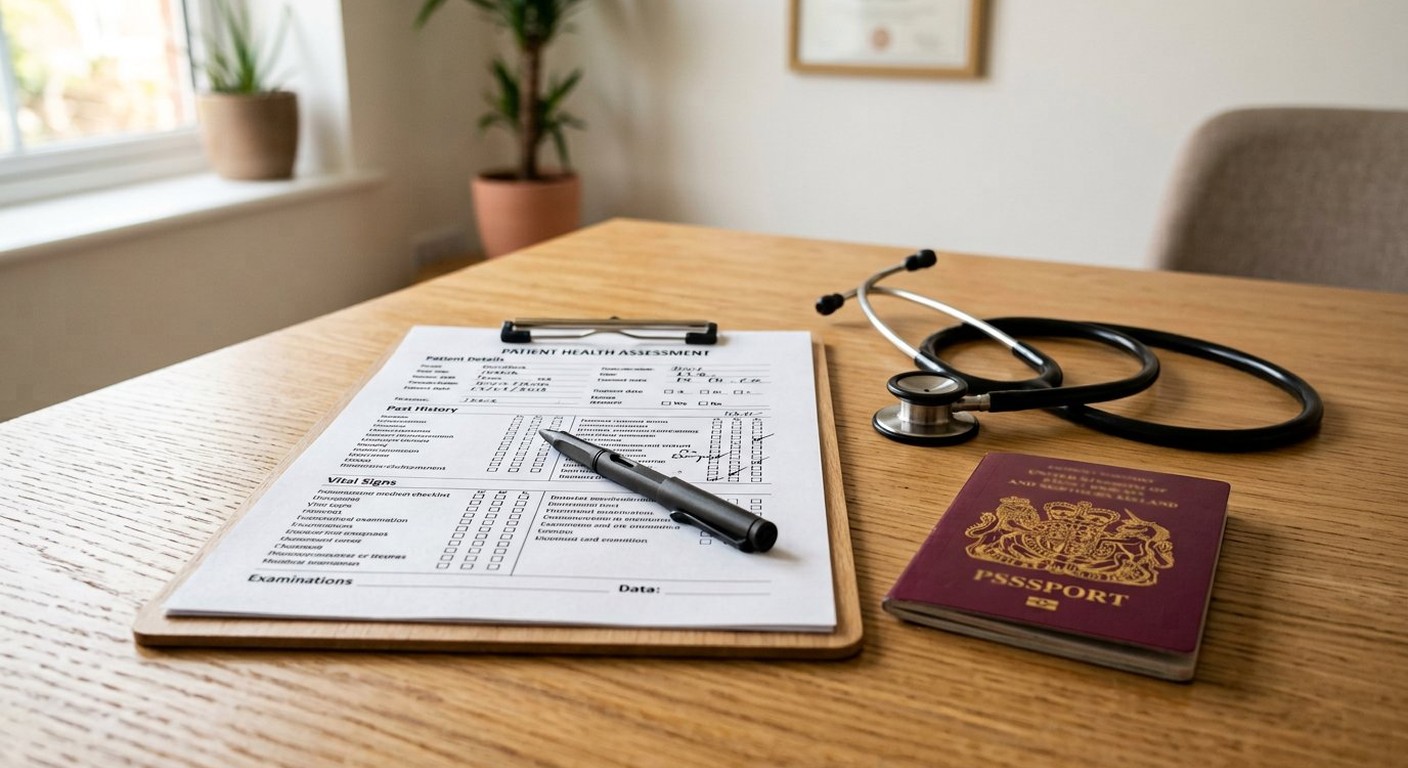
The conditions list, the appeal clock, the missing-test form — the medical questions answered before they are urgent.
The screening guide is free on WhatsApp — below.
Coming with the Malaysia video series
The two screenings — on video, in Urdu
What the panel clinic actually does, the appeal clock explained with a calendar on screen, and the questions to ask the international office before you book — in Urdu. In production; until it ships, this page is the written reference.
Free guide · WhatsApp · no forms
Get the medical screening guide on WhatsApp
The two screenings, the appeal clock, and the refund question to ask before travelling — on one page.
Get the medical screening guide → +92 315 5009620 · Mon–Fri 11AM–7PM · Path Plaza (SMC) Pvt Ltd, 304 Upper Mall, LahoreWhere this sits in your journey
The medical sits at the airport end of the EMGS process, and it is decided twice — once at home, once at the panel clinic.
Universities decide admissions. The Malaysian authorities decide visas. We prepare honest, complete files — that is the entire promise, and it's in writing.